

Evidence-Based Hair Optimization
Science-driven hair restoration
evidence-based hair optimization
Science-driven hair restoration
The Problem
Most men waste time and money on cosmetic lotions and “natural” remedies with no scientific basis while their hair continues to thin.
My goal is to break down current scientific literature so you can understand exactly which mechanisms (DHT, inflammation, nutrition) are impacting your specific case, and what the evidence says about restoring your hair.
The Solution
Stop guessing. Start applying science.
After more than 10 years analyzing clinical data, I have designed informative protocols based on peer-reviewed studies. No false promises—just data-driven insights applied to your hair health.
Knowledge is your most powerful tool against hair loss.

A global issue
More than half of the world’s population will experience hair loss during their lifetime.

95% is androgenic
The vast majority of hair loss cases are caused by androgenic alopecia.

Minoxidil efficacy
Minoxidil is a powerful tool that works regardless of the specific type of hair loss you are experiencing.

The key enzyme
If minoxidil isn’t working for you, it is often due to low sulfotransferase enzyme activity within your follicles.

The point of no return
Many start treatment too late; once follicles reach a certain stage of miniaturization, the process may become irreversible.

Miniaturization, not loss
In androgenic alopecia, hair doesn’t simply “fall out”—it becomes progressively thinner and smaller, miniaturizing until it becomes invisible.
% of men who will experience androgenic alopecia during their lifetime
Of male hair loss cases have a treatable genetic origin
Months is the minimum time required to evaluate the real efficacy of a protocol
Miracle promises. Only protocols based on current scientific literature
LEAVE THE MYTHS BEHIND.
MAKE AN INFORMED DECISION.
The myth of strength and muscle loss
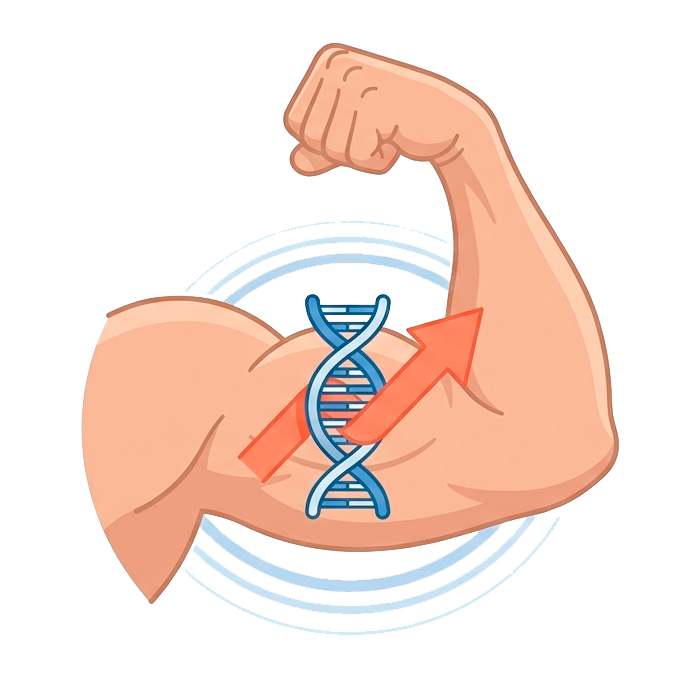
There is a widespread, unfounded fear that blocking DHT affects athletic performance. The scientific evidence is clear: DHT is not necessary for muscle hypertrophy in adults. In fact, by blocking the 5-alpha reductase enzyme, you may experience an increase of 10% to 20% in free testosterone, allowing you to maintain your strength and muscle mass intact while protecting your hair.

Beyond hair: Comprehensive protection
Finasteride use is not only safe but can be an ally for a healthy and long life. Studies show a reduction of up to 25% in the risk of prostate cancer. My guide teaches you how to correctly interpret markers like PSA (which usually drops by 50% with treatment) so that you and your doctor have a real, preventive view of your prostatic and hormonal health.
Science against fear and the Nocebo effect
Less than 4% of users experience side effects—a figure nearly identical to placebo groups in clinical trials. The majority of symptoms reported in forums are due to the Nocebo effect: negative expectations that generate real physical symptoms. We replace fear with decades of peer-reviewed evidence so you can make decisions based on data, not anecdotes.

Don’t leave your hair strategy to chance. Get an analysis based on current scientific evidence, tailored to your goals and personal profile.
qué dicen los doctores




APPLIED SCIENCE: BEYOND THE LITERATURE
No Results Found
The page you requested could not be found. Try refining your search, or use the navigation above to locate the post.